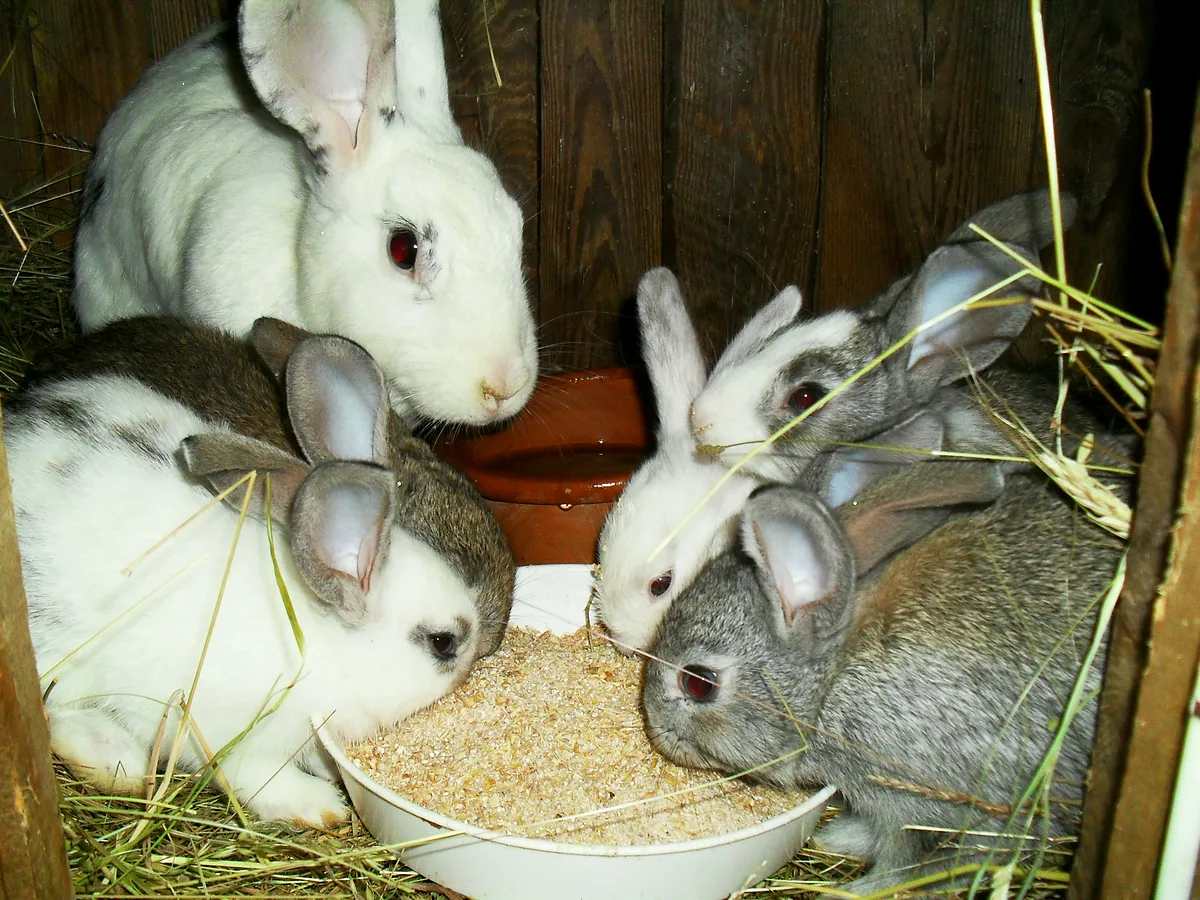
Rabbit urine is the worst-documented input on our farm. Everyone talks about it, everyone gives a different rate, and almost nobody says what happens when you get it wrong. So we spent a full season settling the question, on three blocks of plot P-02, with plants of the same age from the same seed lot.
The protocol
Urine collected under the hutches, fermented for twenty-one days in a closed drum, filtered through fine cloth. Three blocks of twenty plants, sprayed every three weeks at the end of the day, on both leaf surfaces. A fourth block, the control, got clean water only.
| Block | Dilution | Effect on foliage | Verdict |
|---|---|---|---|
| A | 1 : 5 | Marginal scorch on young leaves from the first application | Dropped |
| B | 1 : 10 | Deeper green, thicker leaves, no scorch | Kept |
| C | 1 : 20 | Barely visible difference from the control | Too weak |
| Control | clean water | Normal growth | — |
What went wrong
Block A is the main lesson of this trial. One part urine to five parts water, on young foliage, produced marginal necrosis visible by the next morning. We had sprayed in mid-afternoon, while direct sun was still on the plot — evaporation concentrated the liquid on the leaf and burned it.
What we apply now
- Mature plants, foliar: one part in ten, every three weeks.
- Young plants, foliar: one part in twenty — tender foliage takes no more.
- Soil drench: one part in five, every two months, alongside the compost.
- Complete stop twenty-one days before the plot’s first harvest.
We did not measure a statistically solid yield difference between block B and the control over a single season — the sample is too small for that, and we will not pretend otherwise. What we did observe, however, is clear: thicker, greener foliage, and markedly fewer mealybugs in the leaf axils.