 Class Extra
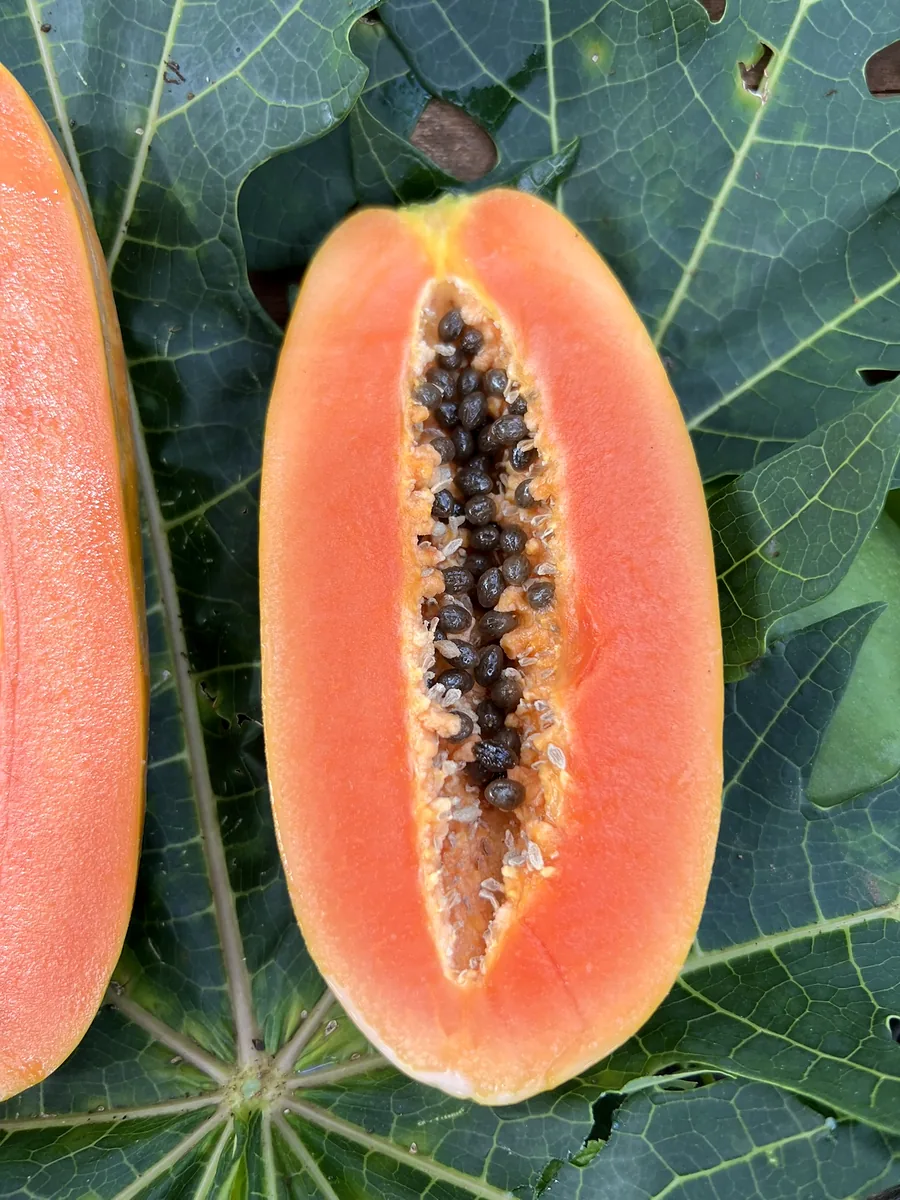
Dwarf papaya
Firm, dense orange flesh, picked at colour break. Ripens in three to five days at room temperature.
3 kg box (2 to 4 fruits)
3 500 F≈ 1,170 F/kg
Enquire
Dwarf papayas, mangoes, avocados, plums and lemons from Kokounou. Fertilised by our pigs and rabbits, protected without a gram of synthetic pesticide, graded to Codex Alimentarius and OECD standards.
Each activity feeds the next. That is what lets us hold a steady quality without buying a single bag of fertiliser.
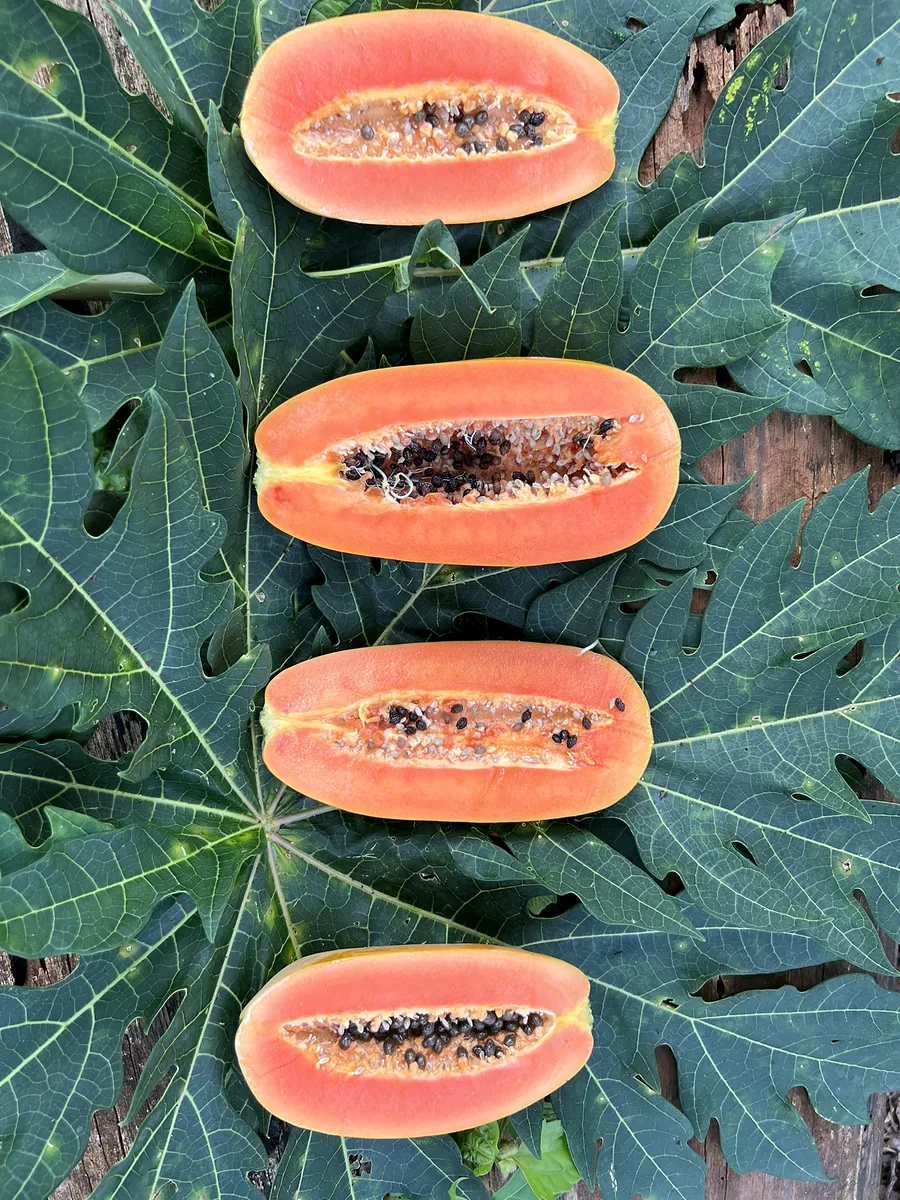
Dwarf varieties, chosen for hardiness and quick fruiting. We harvest at arm’s height: fewer impacts, fruit that keeps longer.
Meat to sell and, above all, the raw material for the compost and the treatments. Without them the loop does not turn.
Dryers, vats and a cold room. Class II fruit and surpluses become dried slices, jam or pulp instead of losses.
What we learn, we teach — to smallholders, young farmers and rural women across the region.
Class Extra
Firm, dense orange flesh, picked at colour break. Ripens in three to five days at room temperature.
3 kg box (2 to 4 fruits)
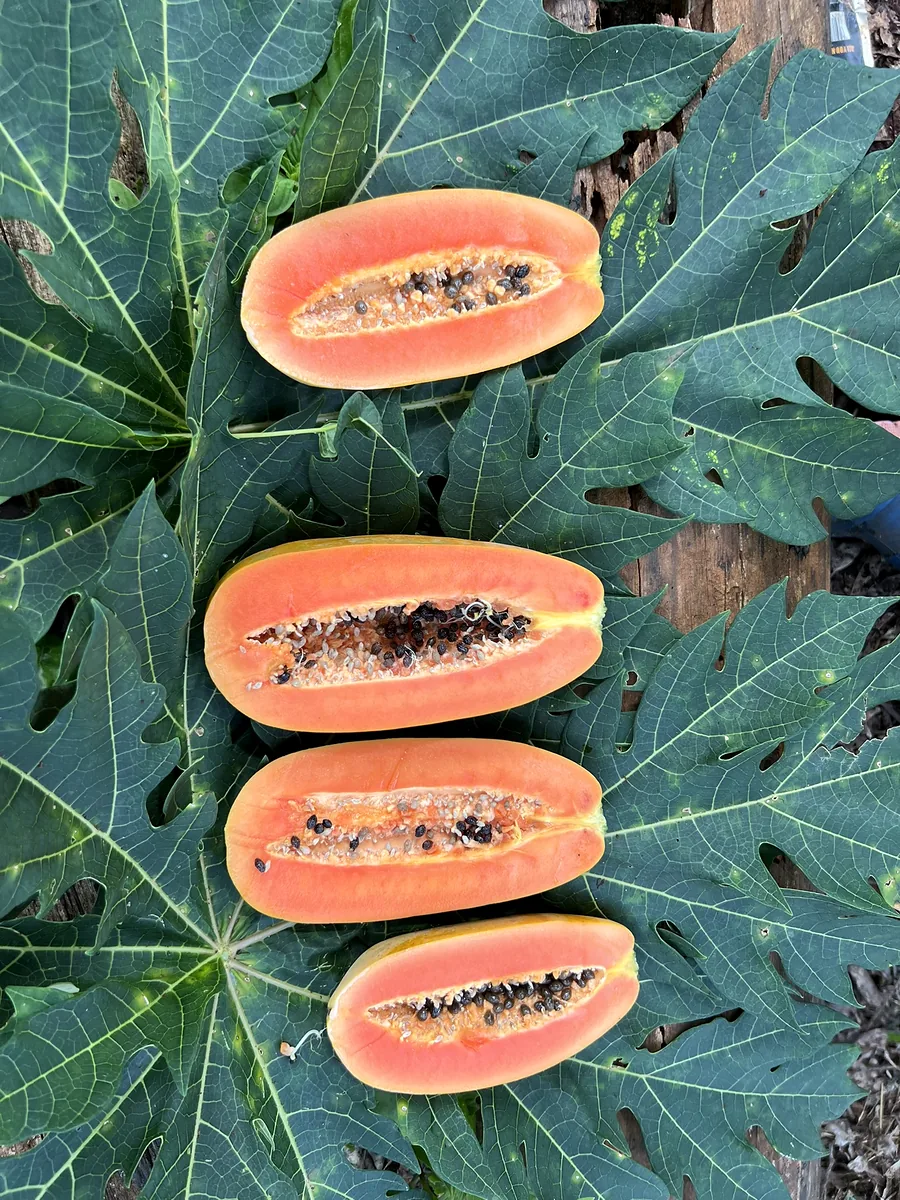 Mixed box
Papaya, mango, avocado and lemon, depending on what the trees are giving that week.
6 kg box
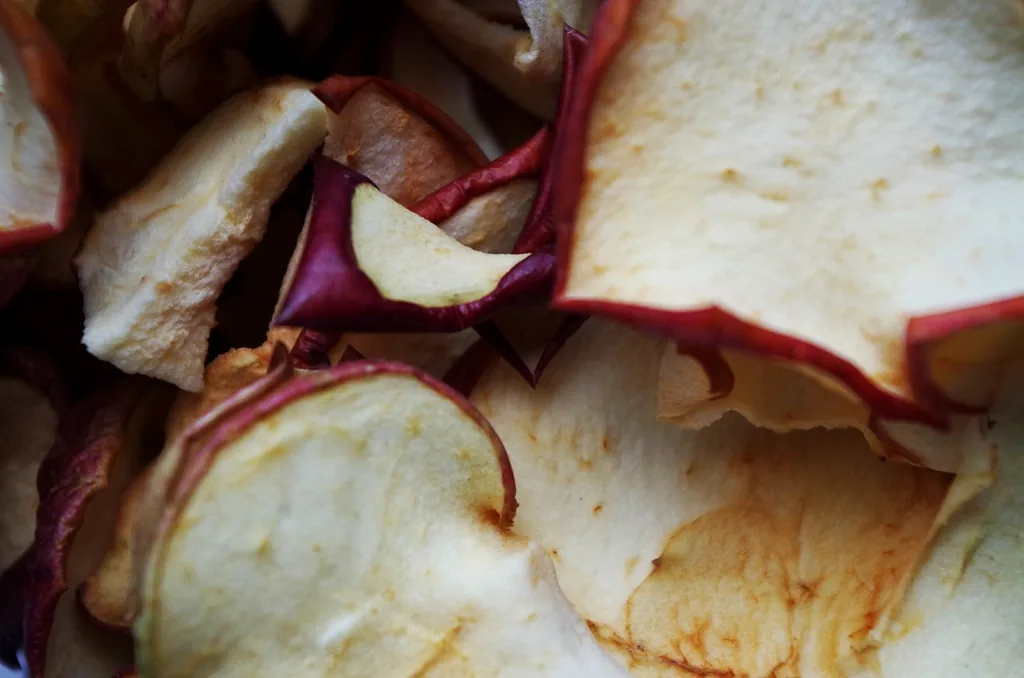 Workshop
Six-millimetre slices dried at low temperature to 18 % moisture at most, with no added sugar and no sulphites.
200 g pouch
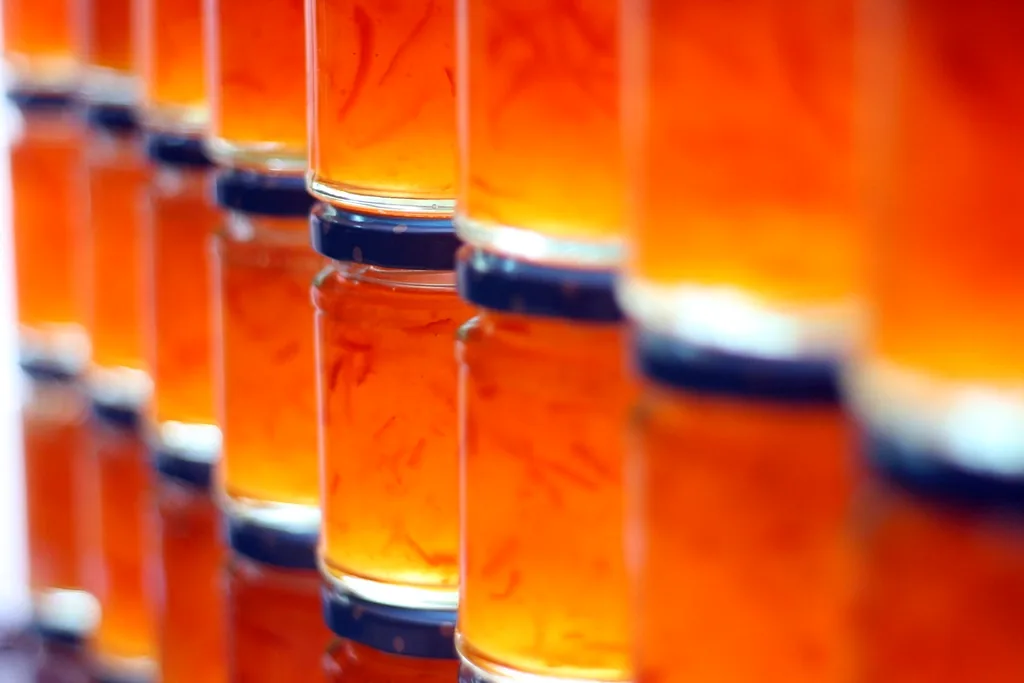 Workshop
Cooked in small batches with lemon from the orchard. No colouring, no flavouring, no preservatives.
320 g jar
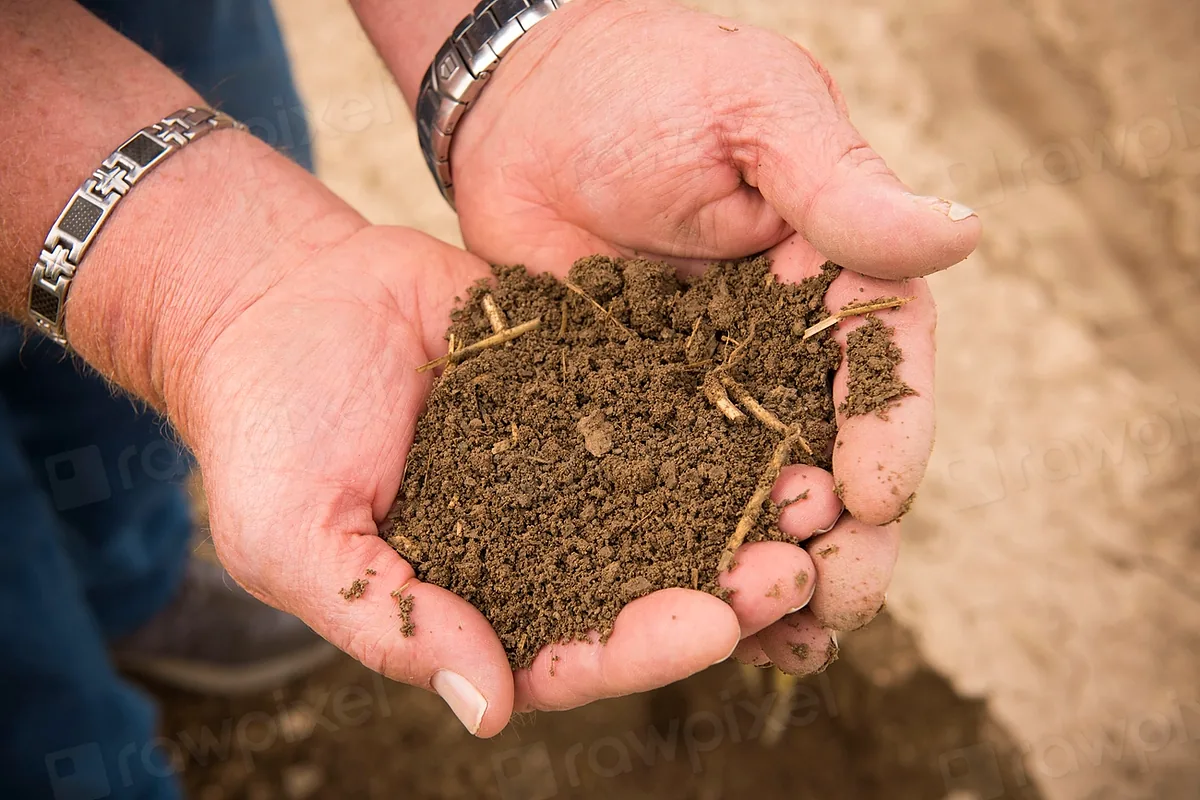
Pig slurry and rabbit manure become compost. Nitrogen-rich rabbit urine becomes a foliar treatment. Nothing comes in, nothing goes out.
Pigs and rabbits fed well, partly on orchard grading offcuts and peelings from the workshop.
Slurry and manure built into windrows, turned five times, matured sixteen weeks, then screened.
Collected under the hutches, fermented, then diluted one to ten. A foliar nitrogen feed and a natural repellent.
Firm, healthy papayas graded Extra, I or II — to your door or to the processing workshop.
Dwarf papaya bears all year; the orchard takes over in waves. That is the whole point of planting several species.
We apply the Codex Alimentarius and OECD minimum requirements for papaya: whole, sound, clean, firm, at controlled ripeness. The rest — plot, harvest date, class — is written on the label.
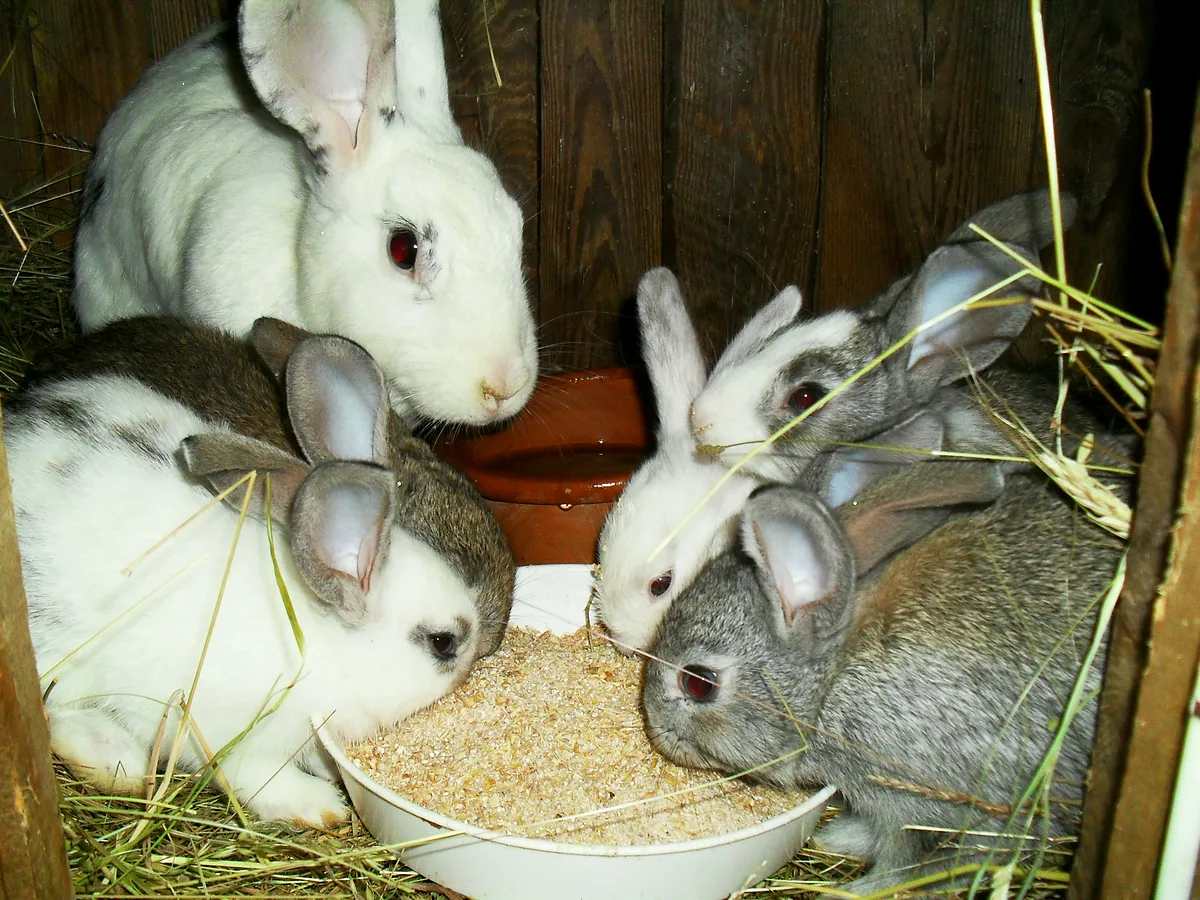
Three dilutions tested as a foliar treatment on plot P-02, across a full season. One worked, one did nothing, and one scorched the leaves in a single morning.
Read more →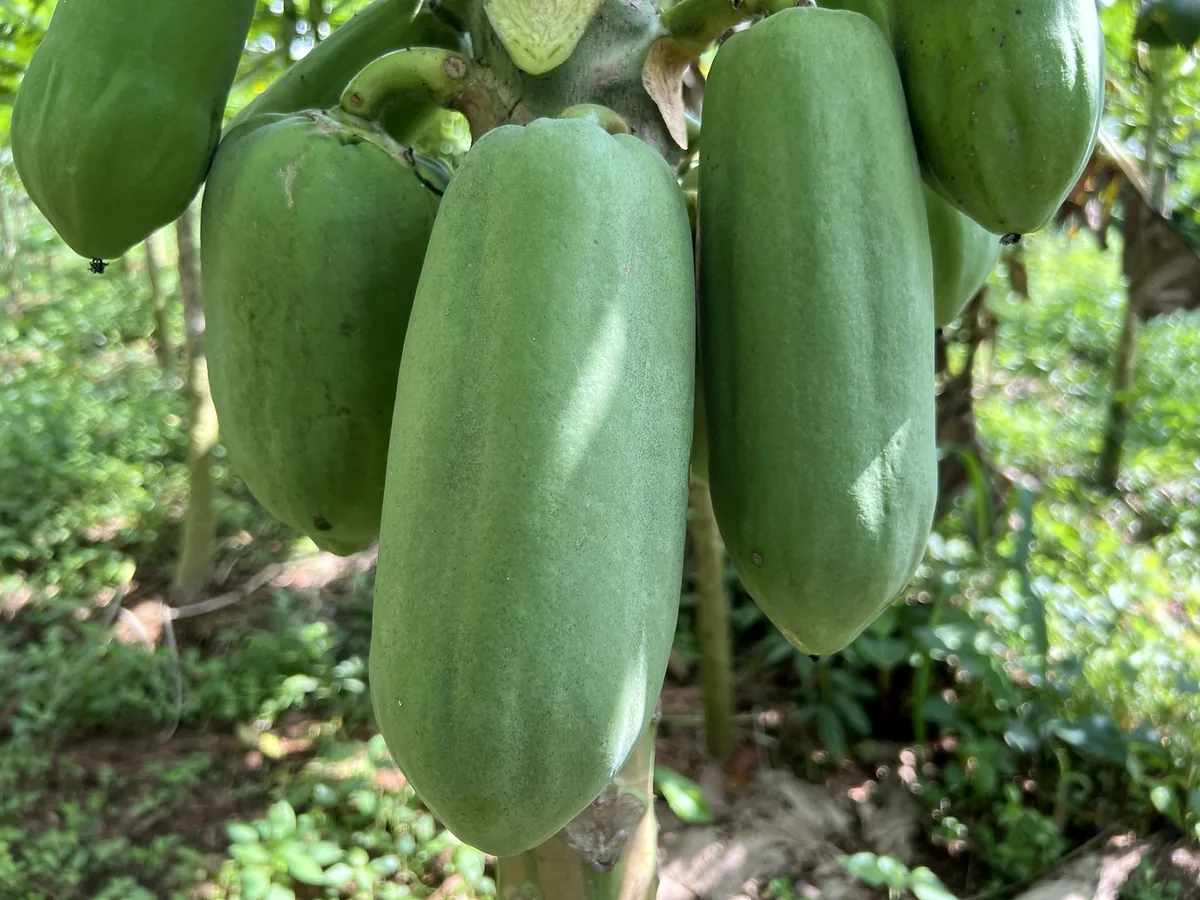
Two days separate a Class Extra fruit from one that arrives crushed. Here are the signs we look at, and why the cutting stage depends first on the customer.
Read more →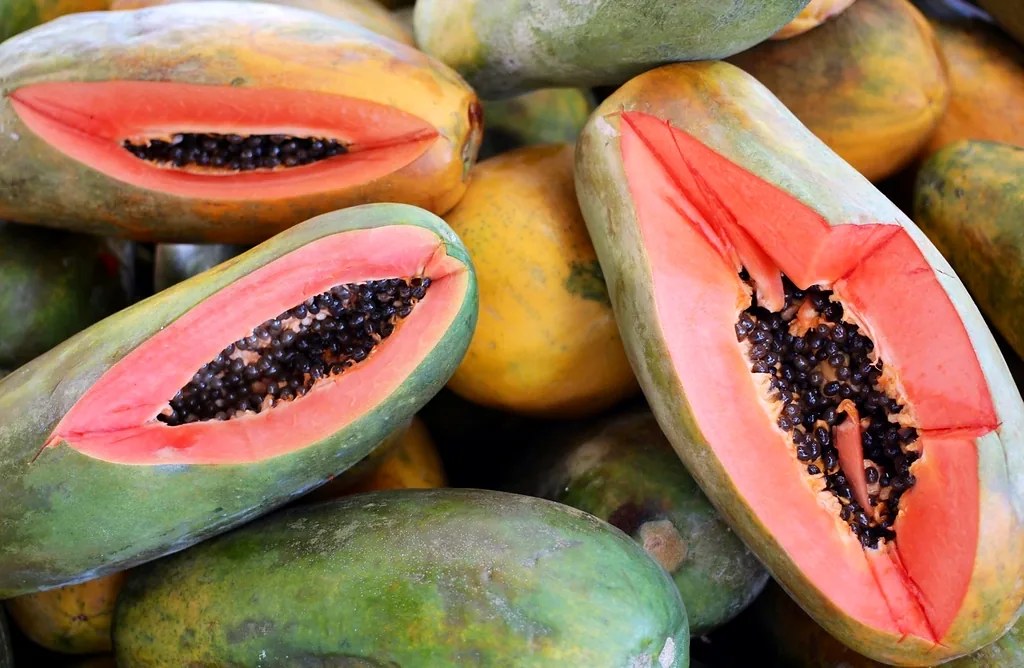
What we do with papayas picked before ripeness: crisp, sharp, ready in ten minutes. A green papaya is not a failed fruit, it is a vegetable.
Read more →Households, wholesalers, processors, schools and hospitals: tell us what you need. We reply within 48 hours.