01
Sorting and grading
Everything goes through the packing station first. Each fruit is examined, graded Extra, I or II and sized. Extra and I go out fresh; Class II goes down to the workshop the same day, never the next.
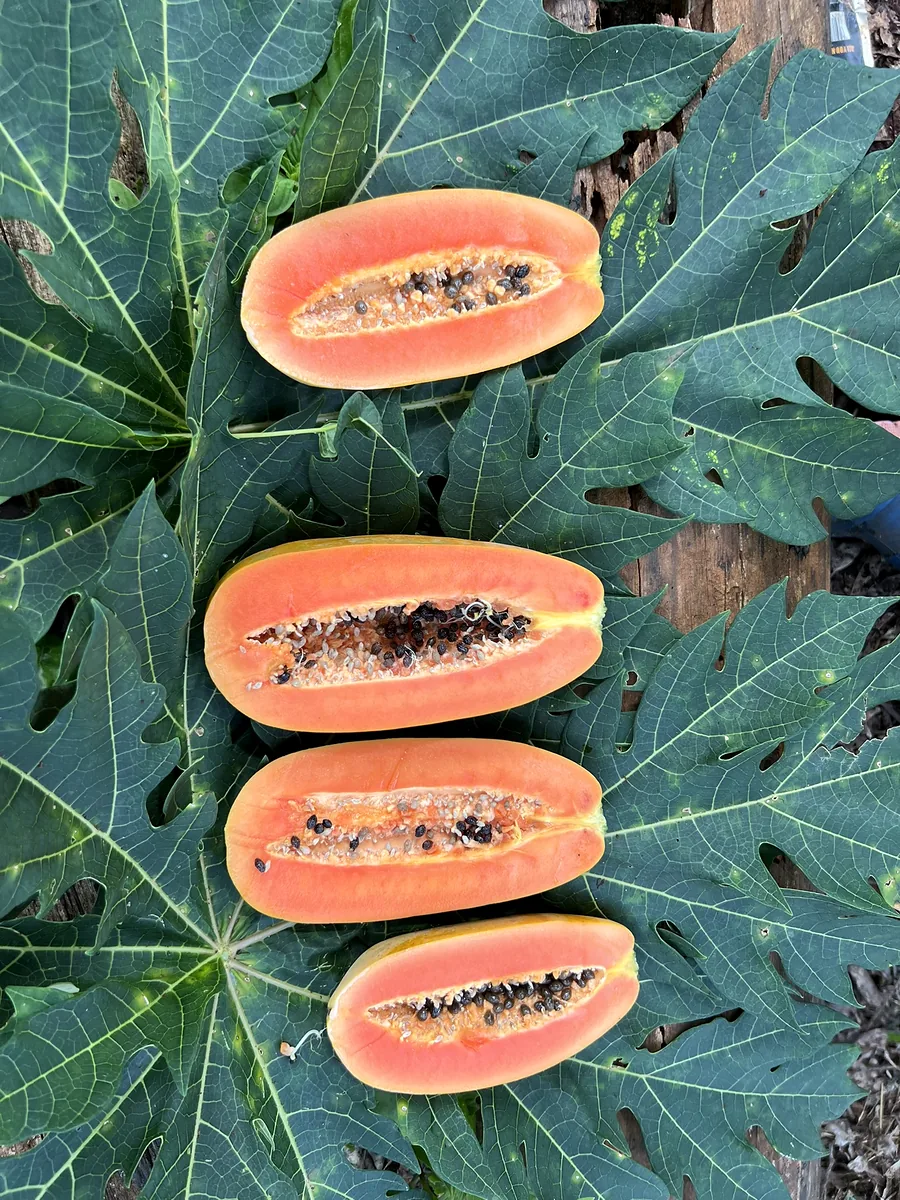
A papaya too ripe to travel is not a lost papaya: it is a raw material. The workshop turns Class II fruit and seasonal surpluses into products that keep for months, and it runs all year round.
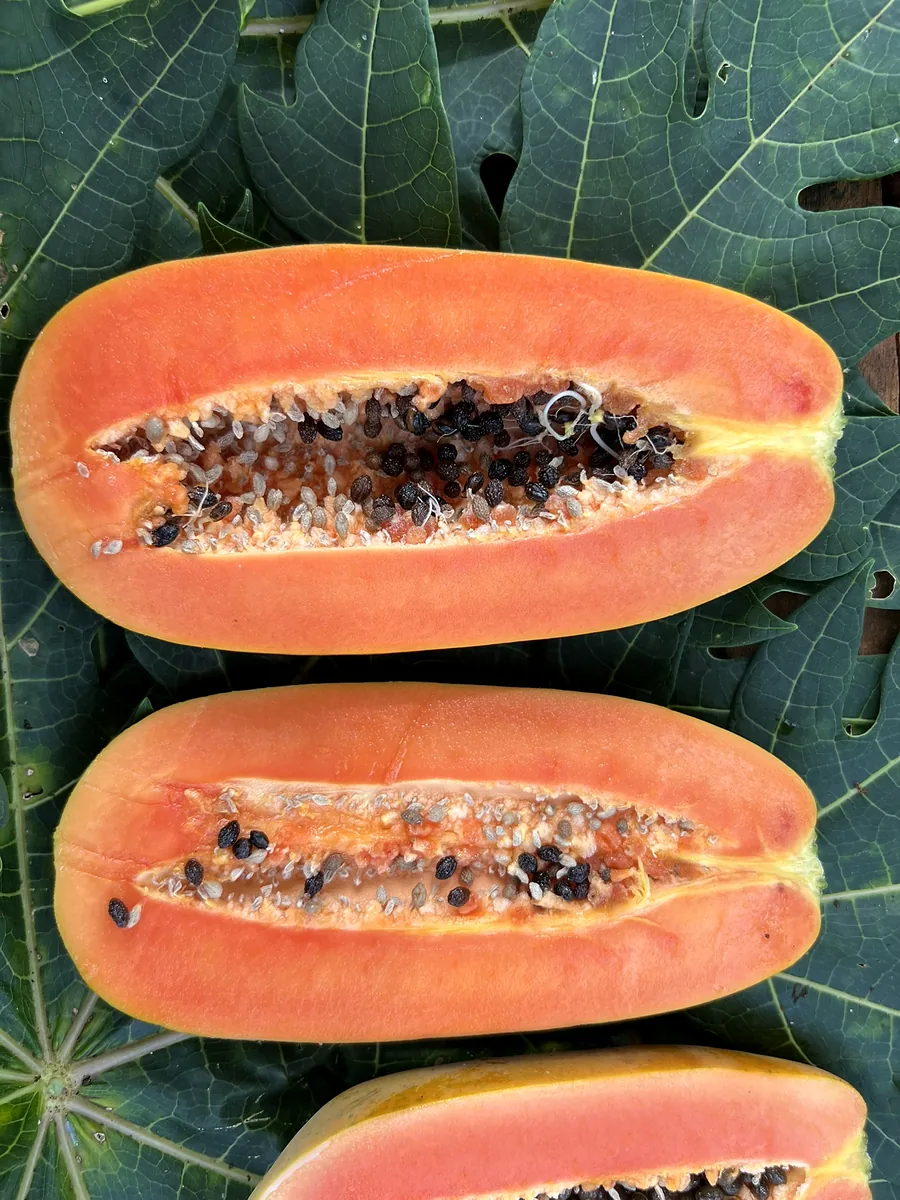
On a fruit farm without a workshop, a significant share of the harvest finds no buyer: too ripe, too marked, or simply arriving at the same time as everyone else’s. That fruit sells at a loss, or not at all.
The workshop turns that around. It absorbs production peaks, smooths income across the lean months, and turns an appearance defect — which has no effect on taste — into a higher-value product.
Everything goes through the packing station first. Each fruit is examined, graded Extra, I or II and sized. Extra and I go out fresh; Class II goes down to the workshop the same day, never the next.
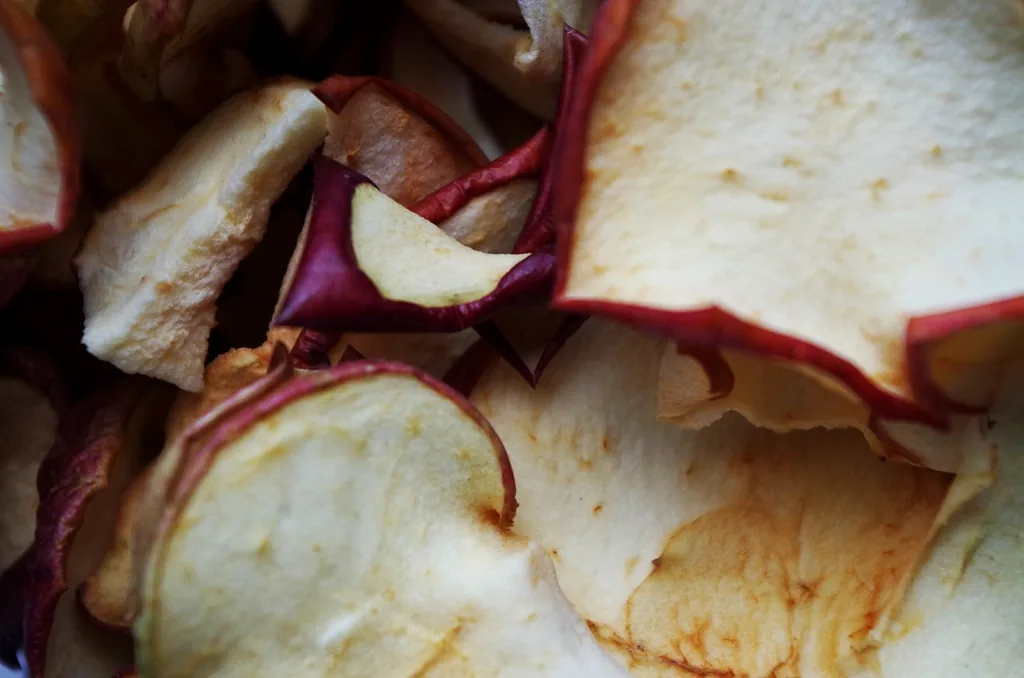
The fruit is peeled, deseeded and sliced at six millimetres — even thickness is what makes the whole tray dry at the same rate. Dried at low temperature to eighteen per cent moisture at most, verified by weighing on every batch. No sulphites, no added sugar.
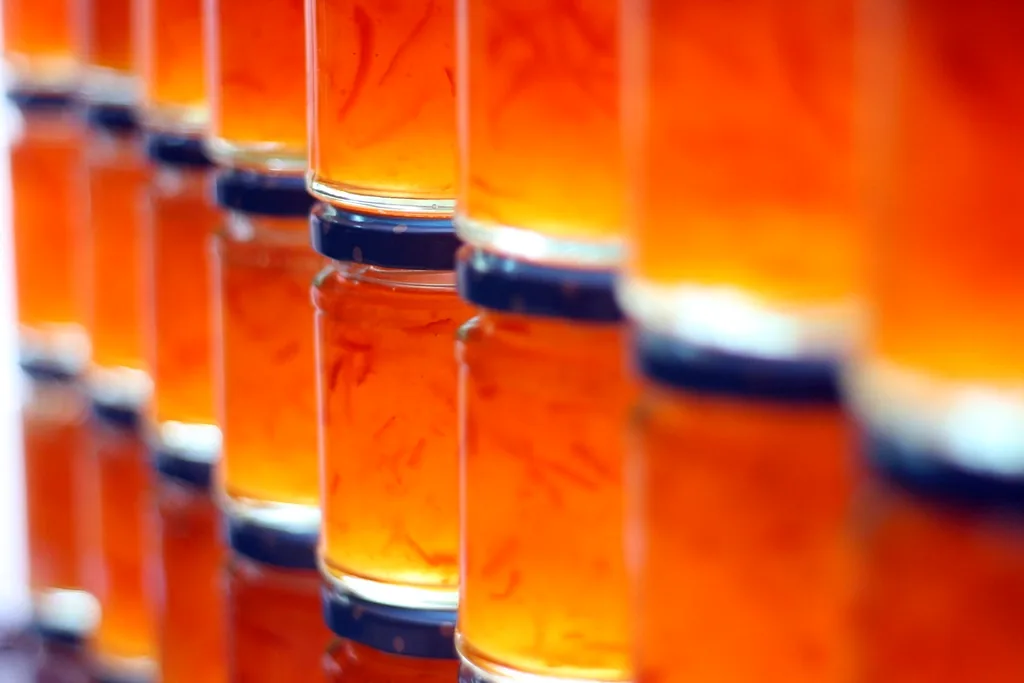
Cooked in small batches in an open vat, with lemon from the orchard for acidity and set. Potted hot, capped immediately, vacuum checked once cold. No colouring, no flavouring, no preservatives.
For juice and ice-cream manufacturers: flesh milled, sieved to remove fibre and seed, filled into ten-kilo pails and frozen at minus eighteen degrees. Delivered in the cold chain, to order with five days’ notice.
Grading tables, latex draining racks, calibrated scales, a lot-number labeller.
Food-grade stainless trays, low-temperature drying, trays rotated halfway through.
Open stainless vats for small runs of jam and fruit paste.
Pulp storage and a buffer for fresh orders, with a daily temperature log.
Before-and-after oven weighing for moisture, vacuum checks on jars, a retained sample per batch.
Pouch sealer, capper, cell-tray cartons for fresh fruit.
| Product | Format | Shelf life | Conditions |
|---|---|---|---|
| Dried papaya | 200 g pouch | 9 months | Sealed pouch, away from light |
| Dried mango | 200 g pouch | 9 months | Seasonal, April to July |
| Papaya jam | 320 g jar | 18 months | Unopened jar, room temperature |
| Fruit paste | 150 g bar | 12 months | Individually wrapped |
| Frozen pulp | 10 kg pail | 12 months | At −18 °C, unbroken cold chain |
Households, wholesalers, processors, schools and hospitals: tell us what you need. We reply within 48 hours.