Training centre

Learn the loop, build your own

A model that cannot be copied is worth nothing. Our sessions are short, practical and run entirely on the farm: you build a compost windrow, sex papaya plants, filter rabbit urine. You leave with the movements, not with a binder.

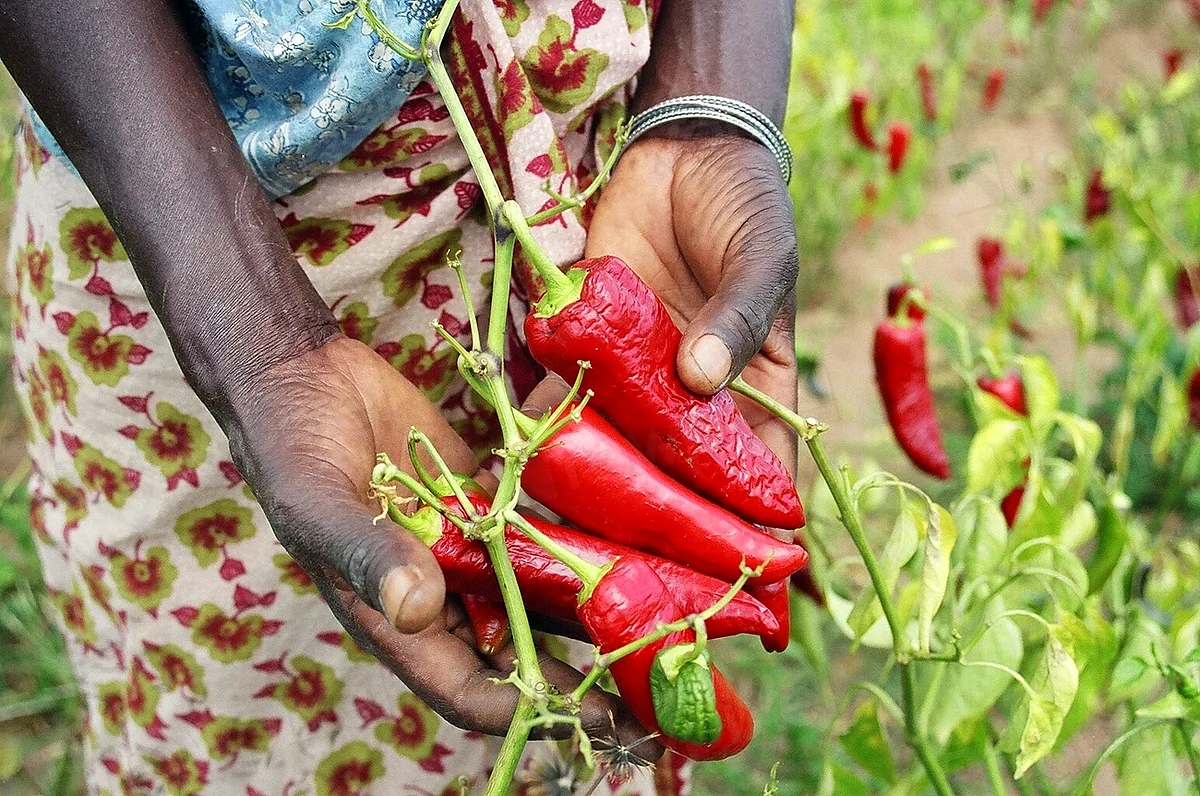
A grower’s hands holding her harvest in the field.
Who it is for

Three audiences, one field

Smallholders

Those already growing who want out of dependence on bought-in inputs.

Young farmers

Those setting up who need a model that stands up economically from year one.

Rural women

Groups and cooperatives, with particular emphasis on processing and selling.

The modules

Six sessions, independent of one another

Each module runs over one or two days and can be taken on its own. The full path is usually spread over a quarter, at one session a fortnight.

01
2 days

Good agricultural practice for dwarf papaya

Seed selection, nursery, spacing, transplanting, sexing and thinning. You sex real plants on the demonstration plot.

  • Tell a hermaphrodite flower from a female or male one
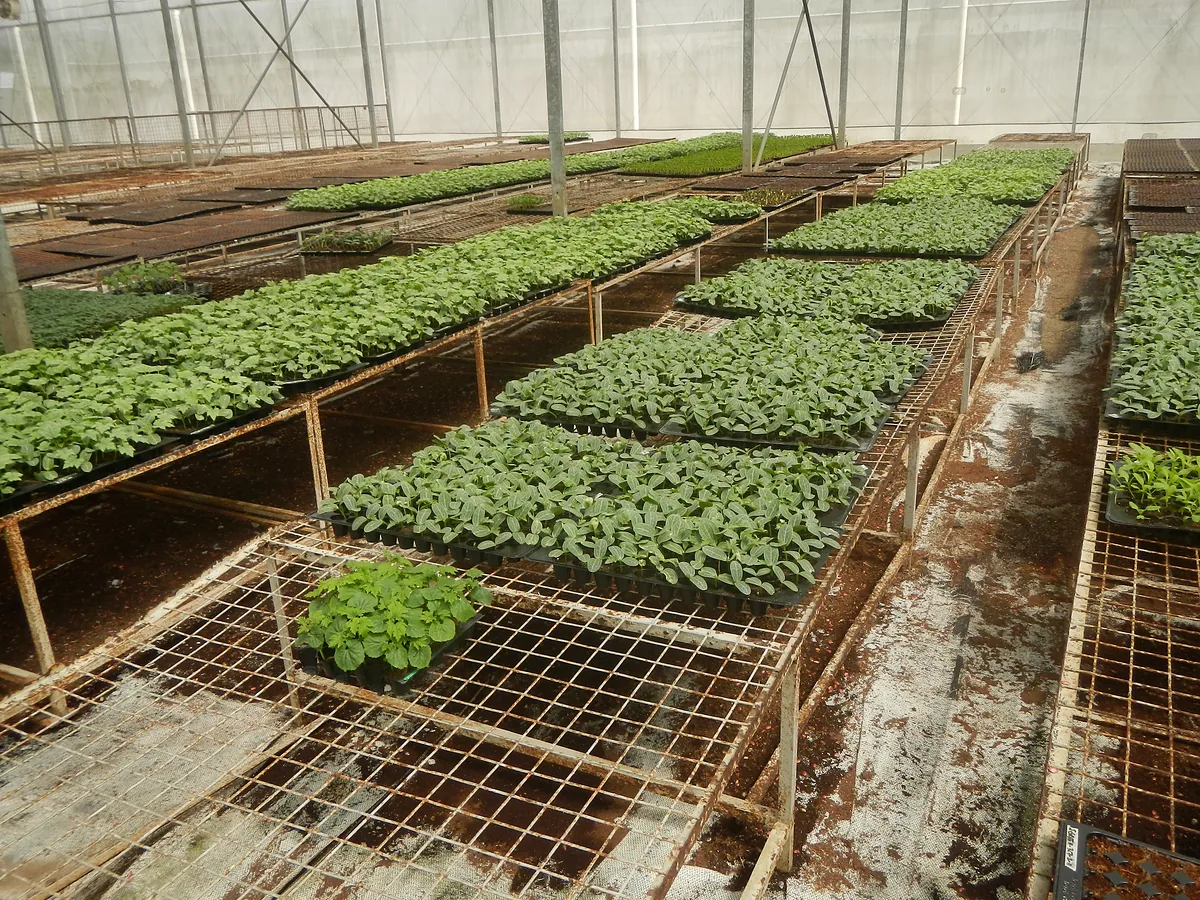
  • Set up a nursery using farm compost
  • Decide which plant to keep and which to pull
02
1 day

Running a diversified orchard

Mango, avocado, plum and lemon: combining species to spread income and break the pest cycle.

  • Design an orchard that produces almost all year
  • Place trees as a useful windbreak
  • Work out what each species returns per square metre
03
2 days

Integrated livestock: pigs and rabbits

Buildings, stocking, feeding, welfare — and above all how to design the housing so slurry, manure and urine can be collected cleanly.

  • Design a hutch that separates droppings from urine
  • Size the herd to the area you need to fertilise
  • Keep a herd record that is actually usable
04
2 days

Compost and natural treatments

The most requested module. Building a windrow from scratch, temperature monitoring, turning, and preparing a rabbit-urine dilution.

  • Balance a windrow’s carbon and nitrogen without scales
  • Recognise mature compost with three simple tests
  • Dose and apply a foliar treatment without scorching the plant
05
2 days

Processing without loss

Drying, jams, fruit pastes and pulp. Workshop hygiene, moisture control, potting and compliant labelling.

  • Dry to 18 % moisture without laboratory equipment
  • Get a jam to set with lemon rather than a gelling agent
  • Label a processed product correctly
06
1 day

Managing the business

Costs, cost price, margin per product, choosing customers, cash-flow calendar and access to finance.

  • Work out the true cost price of a kilo of papaya
  • Choose between selling fresh and processing
  • Put together a fundable, readable file
The format

How a session runs

Group

8 to 15 participants

Duration

1 or 2 days depending on the module

Place

Entirely on the farm, outdoors

Languages

French and English

Handout

A technical sheet per module, to take away

Follow-up

A follow-up visit at the participant’s own farm

What you leave with

A repeatable method, not an inspiration

By the end of the full path, a participant can size their livestock to the area they want to fertilise, build a windrow that actually heats, dose a foliar treatment without scorching the leaves, grade their harvest to the international classes and work out what a kilo of fruit really costs them.

Trays of young seedlings in the nursery.