01
Building
A windrow one and a half metres high by two metres wide, built in alternating twenty-centimetre layers, wetted layer by layer to the moisture of a wrung-out sponge.
We buy neither fertiliser nor pesticide. Everything that feeds the grove and the orchard comes out of the farm itself: the compost from the pigs and rabbits, the treatments from the rabbitry. Here is the method, in detail, with the rates.

A conventional farm buys fertiliser in foreign currency, hauls it in from far away and lives with supply breaks. Input costs end up eating the margin, and quality depends on a supplier the grower has no hold over.
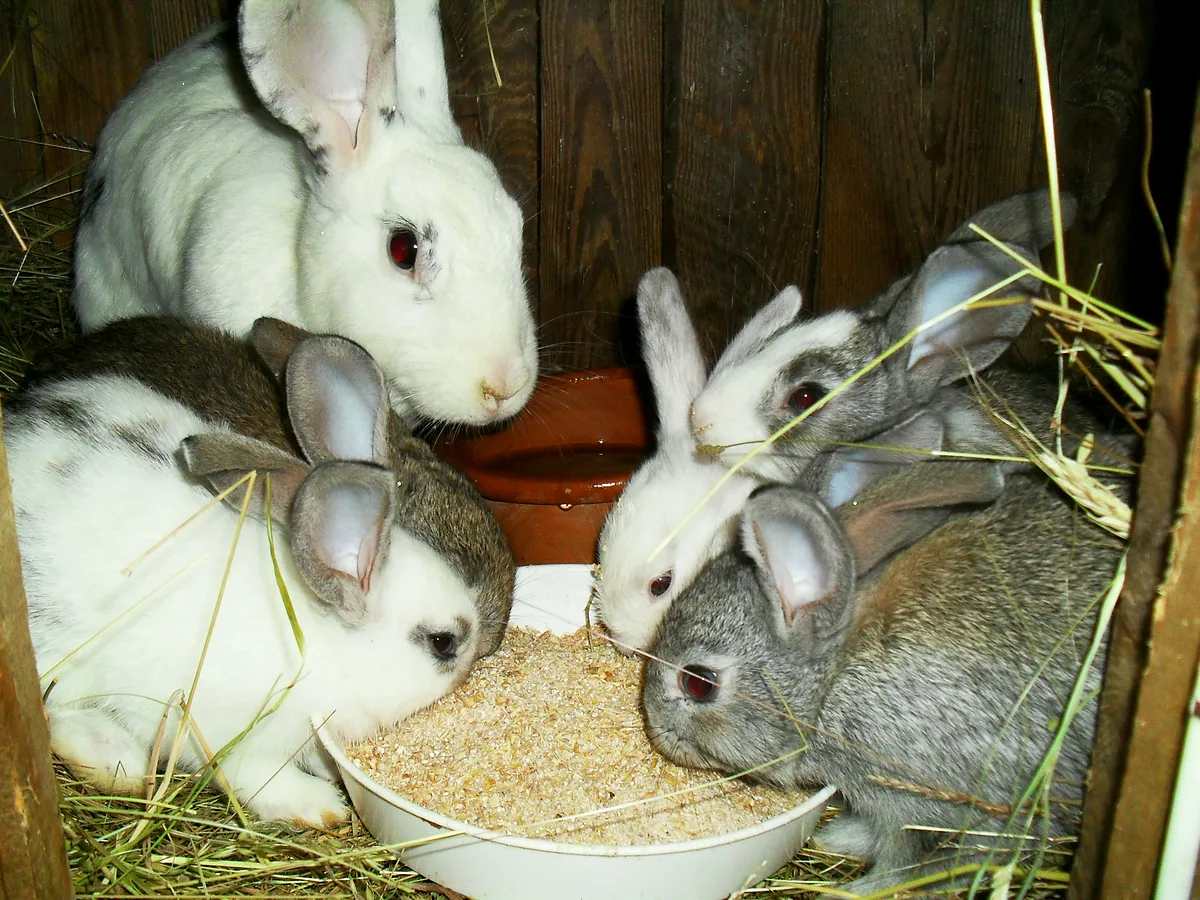
At Kokounou we took the problem from the other end: put the livestock next to the crops and keep the material moving between the two. Pigs and rabbits produce, every day, what the trees need; the trees produce, every day, grading offcuts that feed the animals. This is not an environmental posture — it is an economic decision that happens to be environmental.
This is our only fertiliser. A badly built windrow heats poorly, fails to kill weed seed and smells; a well-built one reaches sixty-five degrees in four days and yields black, crumbly, odourless compost.
We aim for a carbon-to-nitrogen ratio of roughly thirty to one. By volume that means:
A windrow one and a half metres high by two metres wide, built in alternating twenty-centimetre layers, wetted layer by layer to the moisture of a wrung-out sponge.
The core reaches 60 to 70 °C within three to five days. This thermophilic phase destroys weed seed and pathogens. It is probed every other day.
Five turns with a fork over the first eight weeks: at day 7, 14, 28, 42 and 56. Each time the cool outside goes into the hot centre.
Eight weeks cooling under cover from driving rain. The heap stops heating and earthworms move in: the sign that maturation is under way.
Screened at ten millimetres. Oversize goes back into the next windrow. The finished product is black and crumbly, smells of forest floor, and shows no trace of any ingredient.
This is the part of the method that surprises visitors most. Rabbit urine is highly concentrated in nitrogen and carries sulphur compounds that many pests avoid. Diluted correctly it feeds the leaf and keeps insects off; diluted badly it scorches the plant in a single morning.
Hutches sit on slatted floors above sloping metal sheets. The urine runs to a gutter and drops into a closed two-hundred-litre drum kept in the shade.
Fifteen to twenty-one days in the closed drum, stirred every three days. Fermentation stabilises the liquid and takes the edge off the free ammonia.
Filtered through fine cloth so the nozzles do not clog, then diluted with clean water according to use: one part in ten for routine foliar work, one in twenty on young plants, one in five as a soil drench.
Sprayed at the end of the day, never in full sun, on both leaf surfaces. Every three weeks through the vegetative phase, stopping completely twenty-one days before harvest.
| Use | Dilution | Frequency | Note |
|---|---|---|---|
| Foliar, mature plant | 1 : 10 | Every 3 weeks | The routine rate during growth |
| Foliar, young plant | 1 : 20 | Every 3 weeks | Tender foliage: any stronger and it scorches |
| Soil drench | 1 : 5 | Every 2 months | Alongside compost, never instead of it |
| Mealybug repellent | 1 : 10 + savon | On sighting | With a little soft soap as a wetting agent |
In a climate that takes its rain in a few violent weeks, bare soil leaves with the first storm. Between the papaya rows we keep a permanent thick mulch of chopped stems, prunings and cut grass.
Mulch holds moisture between waterings, stops weeds coming through, cushions the impact of the drops and slowly breaks down feeding the earthworms. The soil stays loose, dark and alive — the best indicator we have.
Ten centimetres between rows, never touching the plants’ collars.
Legumes sown between young rows: they fix nitrogen and hold the soil.
Mango, avocado, plum and lemon break the monoculture and confuse pests.
Left along the edges for pollinators and the natural predators of aphids.
Households, wholesalers, processors, schools and hospitals: tell us what you need. We reply within 48 hours.